


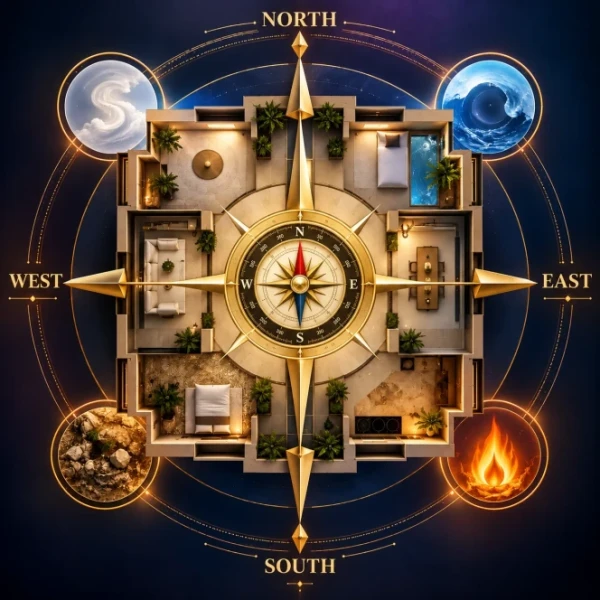
Consultant for Vastu 16 Directions in India
A Consultant for Vastu 16 Directions in India Delhi NCR can help property owners understand the directional energy and spatial planning of a home, office, shop, plot, factory, or other property according to traditional Vastu Shastra principles. The 16-direction approach provides a more detailed assessment than simply considering the four primary directions.
An Expert Vastu 16 Directions consultation may evaluate the placement of rooms, entrances, kitchens, bedrooms, toilets, workspaces, open areas, and other important zones in relation to the property's directional layout. Each direction and sub-direction is traditionally associated with specific energies and functions, which can be considered while assessing the overall Vastu balance.
At IIAG Jyotish Sansthan, Vastu consultation can include site inspection, directional analysis, property layout evaluation, and practical recommendations based on the specific characteristics of the premises. The assessment may be useful for residential and commercial properties, including houses, apartments, offices, shops, factories, plots, hotels, and other establishments.
A personalized Vastu assessment can help identify areas that may require attention and suggest traditional corrections or modifications where appropriate. Recommendations should be considered alongside practical factors such as building regulations, structural safety, functionality, and professional architectural advice.
16 Directions in Vastu Shastra: Complete Guide to All 16 Directions
The 16 Directions in Vastu Shastra provide a detailed framework for understanding the directional layout and energy balance of a property. Along with the four primary directions—North, South, East, and West—Vastu considers intermediate and sub-directions such as North-East, South-East, South-West, North-West, and their finer directional zones. Each direction is traditionally associated with specific elements, deities, energies, and functions that may influence the planning of entrances, rooms, workplaces, kitchens, bedrooms, and other spaces. A detailed 16-direction Vastu assessment evaluates the property layout, orientation, placement of important areas, and directional zones to identify potential imbalances and suggest suitable Vastu recommendations. At IIAG Jyotish Sansthan, professional guidance can help interpret these 16 directions according to traditional Vastu principles for residential, commercial, industrial, and plot layouts.
North Direction in Vastu
The North Direction in Vastu is traditionally associated with prosperity, opportunities, career growth, and financial flow. It is linked with Lord Kubera and is generally considered suitable for entrances, offices, living spaces, and open areas. Keeping the North clean, organized, and reasonably open is traditionally recommended for maintaining positive Vastu balance.
North-East Direction in Vastu
The North-East Direction in Vastu, known as Ishan Kon, is traditionally considered a highly significant and spiritually oriented zone. It is associated with clarity, wisdom, peace, and positive energy. This direction is often recommended for meditation, prayer rooms, study areas, and open spaces. Heavy construction and unnecessary clutter are traditionally avoided here.
East Direction in Vastu
The East Direction in Vastu is traditionally associated with the Sun, vitality, growth, knowledge, and new beginnings. It is generally considered suitable for entrances, windows, living areas, and spaces receiving morning sunlight. Maintaining openness and cleanliness in the East is traditionally believed to support a balanced and positive environment.
South-East Direction in Vastu
The South-East Direction in Vastu, known as Agneya, is traditionally associated with the Fire element and energy. It is commonly considered suitable for kitchens, electrical equipment, and activities connected with heat. Proper planning of this zone is traditionally emphasized to maintain balance between energy, activity, and functionality within the property.
South Direction in Vastu
The South Direction in Vastu is traditionally associated with strength, stability, discipline, and responsibility. It is linked with Yama in traditional Vastu principles. Proper placement of walls, storage, bedrooms, and other areas may be considered according to the overall layout. Balanced planning is traditionally preferred rather than leaving the South unnecessarily weak or disturbed.
South-West Direction in Vastu
The South-West Direction in Vastu, known as Nairutya, is traditionally associated with stability, strength, grounding, and control. It is often considered suitable for master bedrooms, heavy furniture, storage, and other stable areas. Traditionally, this zone is kept comparatively heavy and secure to support a sense of stability within the property.
West Direction in Vastu
The West Direction in Vastu is traditionally associated with stability, gains, completion, and fulfillment. It is connected with Varuna and the water principle in traditional interpretations. Dining areas, children’s rooms, storage, and other functional spaces may be planned here depending on the complete layout. Proper proportion and ventilation are important considerations.
North-West Direction in Vastu
The North-West Direction in Vastu, known as Vayavya, is traditionally connected with the Air element, movement, change, and relationships. It may be considered suitable for guest rooms, storage, movement-oriented activities, and certain business functions. Proper ventilation and balanced use of this zone are traditionally emphasized to encourage smooth movement and flexibility.
North-North-East Direction in Vastu
The North-North-East Direction in Vastu is a finer directional zone traditionally associated with knowledge, clarity, opportunities, and spiritual development. It may be considered for study, meditation, consultation, or other calm activities. A detailed 16-direction analysis evaluates this zone in relation to the property's overall orientation and surrounding directional influences.
East-North-East Direction in Vastu
The East-North-East Direction in Vastu is traditionally associated with learning, health, clarity, and positive development. It may be considered suitable for study spaces, meditation, entrances, or areas requiring concentration and openness. Its interpretation should be based on the complete property layout, orientation, and relationship with the other directional zones.
East-South-East Direction in Vastu
The East-South-East Direction in Vastu is traditionally connected with activity, energy, communication, and the Fire element. It may be considered for electrical appliances, work areas, or active spaces depending on the property's design. Balanced use of this zone is traditionally recommended to maintain harmony between the energetic qualities of East and South-East.
South-South-East Direction in Vastu
The South-South-East Direction in Vastu is a detailed sub-zone traditionally associated with energy, action, confidence, and dynamic activities. It may be considered for certain work or equipment-related areas after evaluating the complete layout. Professional 16-direction analysis can help understand how this zone interacts with the South and South-East directions.
South-South-West Direction in Vastu
The South-South-West Direction in Vastu is traditionally associated with stability, discipline, protection, and grounding qualities. It may be suitable for heavier areas or storage depending on the property's overall structure. A detailed assessment considers its relationship with the South and South-West zones before suggesting any Vastu recommendations.
West-South-West Direction in Vastu
The West-South-West Direction in Vastu is traditionally connected with stability, strength, material aspects, and practical responsibilities. It may be considered for storage, heavy structures, or functional spaces according to the layout. Proper evaluation of this zone can help understand its traditional Vastu relationship with the West and South-West directions.
West-North-West Direction in Vastu
The West-North-West Direction in Vastu is traditionally associated with movement, communication, relationships, and changing circumstances. It may be considered for guest rooms, movement-oriented activities, or certain business functions. Ventilation, openness, and appropriate placement can be evaluated as part of a complete 16-direction Vastu assessment.
North-North-West Direction in Vastu
The North-North-West Direction in Vastu is traditionally associated with movement, opportunities, communication, and social interactions. It may be considered for areas requiring flexibility and circulation. Its suitability depends on the property's orientation, room placement, entrance, and surrounding zones. A complete 16-direction assessment provides a more detailed interpretation of this area.
Understanding Brahmasthan in Vastu 16 Direction
Brahmasthan in Vastu 16 Direction refers to the central zone of a property, traditionally considered an important area for maintaining balance and openness within the overall Vastu layout. In the 16-direction Vastu approach, the Brahmasthan is assessed along with the surrounding directional and sub-directional zones to understand how the centre connects with the rest of the property.
Traditionally, Brahmasthan is associated with space, balance, movement, and the harmonious distribution of energy throughout a building. Its location and condition may be evaluated in relation to the North, South, East, West, and the eight intermediate directions, as well as the finer directional divisions used in detailed Vastu analysis.
A Vastu consultant may examine whether the Brahmasthan is unnecessarily blocked by heavy structures, storage, pillars, staircases, toilets, or other major installations. Depending on the property layout, recommendations may focus on keeping the central area clean, uncluttered, and appropriately designed.
At IIAG Jyotish Sansthan, Brahmasthan analysis can be incorporated into a detailed 16-direction Vastu assessment for homes, offices, shops, factories, plots, and other properties. Recommendations are based on traditional Vastu principles and the specific layout of the property.
How to Find Directions According to Vastu?
Finding accurate directions is an essential first step in applying Vastu Shastra to a property. The four main directions—North, South, East, and West— form the foundation of Vastu analysis, while the 16-direction approach further divides the property into intermediate and sub-directional zones.
A magnetic compass can be used to determine the basic orientation of a property. For greater accuracy, the compass should be placed away from metal objects, electrical equipment, vehicles, and other sources that may interfere with its reading. The direction of the main entrance, plot, building, rooms, and important structural areas can then be mapped according to the property's orientation.
In detailed Vastu analysis, the property may be divided into 16 directional zones to assess the placement of entrances, bedrooms, kitchens, toilets, offices, staircases, and other spaces. The centre of the property, known as the Brahmasthan, is also considered while preparing the directional layout.
For a professional assessment, a Vastu consultant may combine compass readings, the property floor plan, site orientation, and physical inspection. At IIAG Jyotish Sansthan, directional analysis can be used to provide personalized Vastu guidance for residential, commercial, industrial, and plot properties based on traditional Vastu principles.
Why Choose a IIAG Jyotish Sansthan?
Choosing 16 Directions in Vastu with IIAG Jyotish Sansthan provides structured and personalized guidance based on traditional Vastu Shastra principles. A detailed assessment considers the property's orientation, four primary directions, intermediate directions, and finer directional zones used in 16-direction Vastu analysis. IIAG Jyotish Sansthan focuses on the individual layout and requirements of each property rather than applying identical recommendations to every space. The consultation may include analysis of the main entrance, rooms, kitchen, bedrooms, toilets, staircase, open spaces, workplace areas, plot orientation, and Brahmasthan. The approach is suitable for residential, commercial, industrial, and plot properties, with recommendations tailored to the existing structure and layout wherever practical. Through 16 Directions in Vastu with IIAG Jyotish Sansthan, property owners can gain a clearer understanding of their directional arrangement and receive professional, property-specific guidance rooted in traditional Vastu principles.




 Vedic Astrology
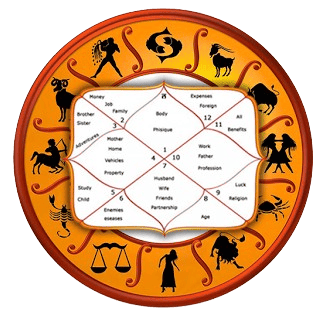 KP Astrology
 Advance KP
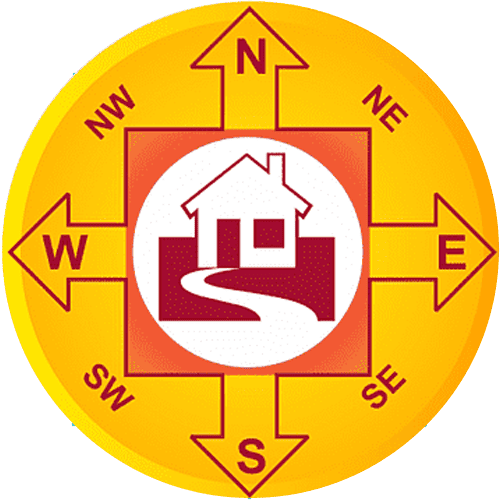 Vastu Shastra
 Astro-Vastu
 Energy Healing
 Astro Advice
 Vastu Guidance
 NG Software
 NJ Patrika
 Gemstone Selection
 Rudraksh Selection