


Best Vastu Material Placement Consultant in India
Choosing the Best Vastu Material Placement Consultant in India Delhi Ncr can help property owners understand where different materials, objects, furniture, equipment, and functional items may traditionally be placed according to Vastu Shastra. An Expert Vastu Material Placement consultant evaluates the property's direction, layout, purpose, and existing arrangements before providing personalized recommendations.
A Vastu Consultant for Material Placement in home may assess the placement of furniture, storage units, appliances, decorative elements, valuables, and other household materials in relation to different Vastu zones. For workplaces, a Vastu Consultant for Material Placement in office can provide guidance regarding desks, cabinets, electronic equipment, files, storage, reception areas, and other functional objects based on the office layout.
Similarly, a Vastu Consultant for Material Placement in factory may evaluate machinery, raw materials, finished goods, heavy equipment, storage areas, and operational materials according to traditional directional principles and practical workflow requirements.
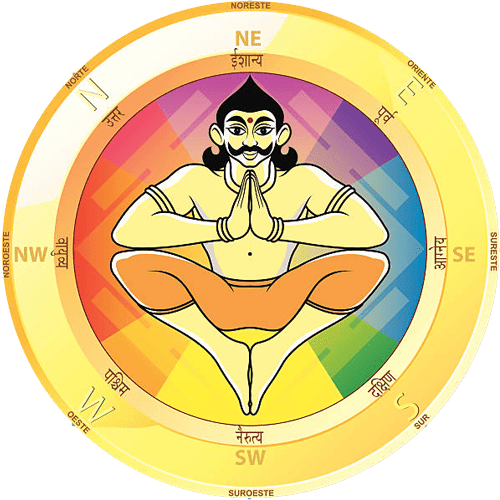
At IIAG Jyotish Sansthan, material placement consultation can be customized for homes, offices, factories, shops, and other properties. The assessment may consider the 16 directions, 32 gates, Brahmasthan, property orientation, and relevant Vastu zones. Recommendations are based on traditional Vastu principles while also considering functionality, accessibility, safety, and the existing structure.
Placement of Material in 16 Directions as per Vastu
Vastu material placement refers to the traditional practice of arranging furniture, equipment, storage, decorative objects, and other materials according to the directional zones of a property. In detailed Vastu analysis, the 16 directions provide a more specific framework for understanding where different types of materials may be placed.
The selection and arrangement of Vastu materials for 16 directions may consider the traditional qualities associated with each zone, along with the property's orientation and purpose. For example, lighter and spiritually oriented items may traditionally be preferred in the North-East, while heavier materials may be considered more suitable for stable zones such as the South-West. Fire-related equipment may traditionally be associated with the South-East, while movement-related materials may be evaluated in the North-West.
Vastu Shastra material placement should not be based on direction alone. A professional assessment may also consider the Brahmasthan, entrance, room function, plot shape, existing structures, and the relationship between different zones. Recommendations can therefore vary between a home, office, shop, or factory.
At IIAG Jyotish Sansthan, personalized material placement guidance can help property owners understand traditional Vastu considerations while maintaining practical requirements such as accessibility, functionality, safety, and efficient use of space.
Main 16-Direction Material Placement Section
Vastu Material Placement in 16 Directions provides a structured approach to arranging furniture, equipment, storage, and other objects according to the traditional qualities associated with different directional zones. Each direction may be considered for specific types of materials based on its traditional elemental and functional associations. Lighter or spiritual items may be preferred in the North-East, heavier materials in the South-West, fire-related equipment in the South-East, and movement-oriented items in the North-West. Other zones are evaluated according to their individual characteristics and the property's purpose. A complete assessment also considers the entrance, Brahmasthan, room functions, plot orientation, and existing layout. At IIAG Jyotish Sansthan, Vastu Material Placement in 16 Directions can be customized for homes, offices, shops, factories, and other properties while keeping practical functionality and safety in consideration.
North Direction – Material Placement as per Vastu
The North Direction – Material Placement as per Vastu is traditionally associated with prosperity, opportunities, financial growth, and positive movement. In Vastu Shastra, lighter objects, important documents, valuables, work-related materials, and open spaces may be considered suitable for the North, depending on the property's overall layout. Heavy storage, bulky equipment, or unnecessary clutter is traditionally avoided in this zone. Furniture and materials should be arranged without excessively blocking windows, entrances, or natural movement. The North can also be evaluated for offices, shops, and workspaces where activities related to communication, finance, or business may take place. A detailed assessment considers the 16 directions, entrance position, Brahmasthan, room functions, ventilation, and existing structure before recommending specific material placement. At IIAG Jyotish Sansthan, guidance is personalized according to traditional Vastu principles and practical requirements.
Bedroom Placement
For Bedroom Placement in the North, a guest bedroom or bedroom for certain occupants may be considered depending on the overall Vastu layout. The North is traditionally associated with movement, opportunities, and prosperity. Furniture should be arranged without excessive heaviness or clutter. The exact suitability should be evaluated with the property's orientation and occupants.
Kitchen Placement
For Kitchen Placement in the North, traditional Vastu generally gives preference to the South-East for the kitchen because of its association with the Fire element. If a kitchen is already located in the North, its stove, appliances, storage, ventilation, and other materials may be assessed according to the complete layout and practical requirements.
Pooja Room Placement
For Pooja Room Placement in the North, the North can traditionally support prayer and spiritual activities, although the North-East is commonly considered more favorable. Keep the area clean, peaceful, and uncluttered. The placement of the altar, idols, seating, and related materials should be considered along with the property's overall directional arrangement.
Main Gate Placement
For Main Gate Placement in the North, the exact position of the entrance is important within detailed Vastu analysis. A North-side gate may traditionally be associated with opportunities and prosperity when appropriately positioned. The entrance should remain clean, accessible, well-maintained, and free from unnecessary obstructions while considering the property's 16-direction layout.
Bathroom Placement
For Bathroom Placement in the North, the exact location should be assessed according to the overall floor plan, drainage, ventilation, and traditional Vastu principles. The North is not generally identified as the primary preferred zone for bathrooms in many Vastu approaches. Practical plumbing, hygiene, moisture control, and structural requirements should always be prioritized alongside traditional considerations.
North-North-East (NNE) – Material Placement as per Vastu
The North-North-East (NNE) Direction – Material Placement as per Vastu is traditionally associated with clarity, opportunities, knowledge, and positive movement. This zone may be considered for lighter materials, study-related items, communication equipment, and objects that support openness and organized activity. Heavy storage and unnecessary clutter are generally avoided. Placement should be evaluated according to the property's orientation, 16-direction layout, Brahmasthan, room functions, and practical requirements.
Bedroom Placement
For Bedroom Placement in NNE, lighter-use bedrooms or guest spaces may be considered depending on the complete layout. Traditionally, this zone is associated with movement and clarity, so excessive heavy furniture or clutter may be avoided. Bed placement should also consider ventilation, accessibility, privacy, and the occupant's requirements.
Kitchen Placement
For Kitchen Placement in NNE, traditional Vastu generally gives greater preference to the South-East for fire-related activities. If a kitchen exists in NNE, the stove, appliances, storage, ventilation, and water-related areas may be reviewed carefully. Practical requirements, plumbing, safety, and the complete directional layout should guide any recommendations.
Pooja Room Placement
For Pooja Room Placement in NNE, this zone may traditionally be considered suitable for spiritual or peaceful activities because of its connection with clarity and subtle energy. The prayer area should remain clean, bright, organized, and free from unnecessary storage. North-East may receive stronger traditional preference depending on the complete property layout.
Main Gate Placement
For Main Gate Placement in NNE, the precise entrance position should be identified within the property's directional divisions. NNE is traditionally associated with opportunities, clarity, and movement. The gate should remain unobstructed, well-maintained, and appropriately aligned. A detailed assessment should consider the plot orientation, boundary, surrounding structures, and internal layout.
Bathroom Placement
For Bathroom Placement in NNE, careful assessment is traditionally recommended because this zone is generally associated with lighter and more positive qualities. If a bathroom already exists here, ventilation, drainage, moisture control, cleanliness, and practical functionality should be prioritized. Any Vastu recommendation should consider the complete floor plan rather than the direction alone.
North-East (NE) – Material Placement as per Vastu
The North-East (NE) Direction – Material Placement as per Vastu is traditionally considered a highly significant zone associated with spiritual awareness, clarity, wisdom, and positive energy. Lighter materials, prayer-related items, study materials, and open spaces may traditionally be preferred here. Heavy storage, bulky equipment, and unnecessary clutter are generally avoided. Material placement should be assessed with the property's orientation, Brahmasthan, 16-direction layout, room functions, and practical requirements.
Bedroom Placement
For Bedroom Placement in NE, Vastu traditionally gives preference to keeping this zone light, open, and peaceful rather than using it for heavy sleeping areas. If a bedroom exists here, furniture should be arranged carefully without excessive storage or clutter. The complete floor plan and occupants' requirements should be considered before making recommendations.
Kitchen Placement
For Kitchen Placement in NE, traditional Vastu generally considers the South-East more suitable for fire-related activities. The North-East is often preferred for lighter and peaceful functions. If a kitchen already exists here, the stove, sink, appliances, ventilation, and storage should be evaluated carefully alongside practical safety and the complete property layout.
Pooja Room Placement
For Pooja Room Placement in NE, this direction is traditionally considered one of the most favorable zones for prayer and meditation. The space should ideally remain clean, peaceful, bright, and uncluttered. The altar and related materials can be arranged respectfully while maintaining proper ventilation and accessibility. Exact recommendations depend on the property's overall Vastu layout.
Main Gate Placement
For Main Gate Placement in NE, the entrance position should be accurately identified within the property's directional framework. The North-East is traditionally associated with opportunities, clarity, and spiritual qualities. A gate here may be considered favorable when appropriately positioned. Entrance accessibility, plot orientation, boundary alignment, and surrounding structures should also be evaluated.
Bathroom Placement
For Bathroom Placement in NE, traditional Vastu generally recommends careful consideration because the North-East is viewed as a sensitive and positive zone. If a bathroom already exists, proper ventilation, drainage, waterproofing, hygiene, and cleanliness should be prioritized. Any Vastu remedy or adjustment should be recommended only after reviewing the complete floor plan and structural possibilities.
East-North-East (ENE) – Material Placement as per Vastu
The East-North-East (ENE) Direction – Material Placement as per Vastu is traditionally associated with knowledge, clarity, health, learning, and positive development. Lighter materials, study items, books, spiritual objects, and organized furnishings may be considered suitable for this zone. Heavy storage and unnecessary clutter are generally avoided. Material placement should be evaluated with the property's orientation, 16-direction layout, Brahmasthan, room functions, and practical requirements.
Bedroom Placement
For Bedroom Placement in ENE, a light and well-ventilated room may be considered depending on the complete property layout. Traditionally, this zone supports clarity and learning rather than excessive heaviness. Furniture should be arranged neatly, leaving sufficient movement space. The occupant's requirements, privacy, ventilation, and overall directional balance should also be considered.
Kitchen Placement
For Kitchen Placement in ENE, traditional Vastu generally gives greater preference to the South-East for fire-related activities. If the kitchen is located in ENE, the stove, electrical appliances, sink, storage, and ventilation should be assessed carefully. Practical cooking safety and the complete relationship between the kitchen and other directional zones should guide recommendations.
Pooja Room Placement
For Pooja Room Placement in ENE, this zone may traditionally be considered suitable for prayer, meditation, and spiritual activities because of its association with clarity and knowledge. The area should remain clean, peaceful, bright, and organized. The altar and devotional materials should be positioned respectfully while considering the property's complete Vastu layout.
Main Gate Placement
For Main Gate Placement in ENE, the exact entrance position should be identified within the property's directional framework. ENE is traditionally associated with knowledge, clarity, and positive development. The gate should be accessible, clean, well-maintained, and free from unnecessary obstruction. Plot orientation, boundary alignment, surrounding structures, and internal layout should also be considered.
Bathroom Placement
For Bathroom Placement in ENE, traditional Vastu recommends careful assessment because this zone is generally associated with lighter and positive qualities. If a bathroom exists here, proper drainage, ventilation, waterproofing, hygiene, and moisture control should be maintained. Any Vastu adjustment should be considered only after reviewing the complete floor plan and practical structural possibilities.
East Direction – Material Placement as per Vastu
The East Direction – Material Placement as per Vastu is traditionally associated with the Sun, vitality, growth, recognition, and new beginnings. Lighter materials, books, work-related items, natural elements, and objects that support openness may be considered suitable here. Heavy storage and unnecessary clutter are generally avoided. Material placement should be assessed with the property's orientation, 16-direction layout, Brahmasthan, room functions, and practical requirements.
Bedroom Placement
For Bedroom Placement in the East, a well-ventilated bedroom may be considered depending on the property's complete layout. The East is traditionally associated with vitality and growth, so excessive heaviness may be avoided. Furniture should allow natural light and movement. Occupant requirements, privacy, ventilation, and the overall directional arrangement should also be considered.
Kitchen Placement
For Kitchen Placement in the East, traditional Vastu may consider the South-East more suitable for fire-related activities. An East kitchen can be assessed according to the stove position, electrical appliances, sink, storage, ventilation, and overall layout. Practical cooking safety, workflow, and the relationship between the kitchen and other directional zones should be prioritized.
Pooja Room Placement
For Pooja Room Placement in the East, the direction is traditionally associated with the Sun, illumination, knowledge, and positive beginnings. It may be considered for prayer and meditation when appropriately planned. The space should remain clean, peaceful, bright, and uncluttered. The altar and devotional materials should be positioned respectfully according to the complete Vastu layout.
Main Gate Placement
For Main Gate Placement in the East, the precise entrance position should be evaluated within the relevant Vastu zone rather than considering the entire East equally. An appropriately positioned East entrance is traditionally associated with growth and opportunities. Gate alignment, accessibility, natural light, plot orientation, boundary, and surrounding structures should also be considered.
Bathroom Placement
For Bathroom Placement in the East, the exact location should be assessed according to the complete floor plan, drainage, ventilation, and traditional Vastu principles. If a bathroom already exists here, hygiene, waterproofing, moisture control, and proper ventilation are important. Any Vastu recommendation should also account for structural feasibility and practical plumbing requirements.
East-South-East (ESE) – Material Placement as per Vastu
The East-South-East (ESE) Direction – Material Placement as per Vastu is traditionally associated with activity, energy, communication, transformation, and the Fire element. Materials connected with electrical equipment, technology, active work, and controlled heat may be considered suitable in this zone. Excessive clutter should be avoided. Placement should be assessed with the property's orientation, 16-direction layout, Brahmasthan, room functions, and practical requirements.
Bedroom Placement
For Bedroom Placement in ESE, careful planning is traditionally recommended because this zone has an active and energetic quality. If used as a bedroom, furniture should be arranged comfortably without excessive electrical equipment or clutter. Ventilation, natural light, privacy, and the occupant's requirements should be considered alongside the complete Vastu layout.
Kitchen Placement
For Kitchen Placement in ESE, the zone may traditionally support fire-related activities because it lies between East and South-East. The cooking platform, stove, electrical appliances, storage, and ventilation can be evaluated according to the exact layout. Practical safety, workflow, plumbing, and the relationship with other directional zones should also be considered.
Pooja Room Placement
For Pooja Room Placement in ESE, traditional Vastu generally gives stronger preference to the North-East or suitable peaceful zones. If prayer space exists here, it should remain clean, quiet, organized, and free from excessive heat or electrical equipment. The complete property layout should be reviewed before determining the suitability of this placement.
Main Gate Placement
For Main Gate Placement in ESE, the exact position should be identified within the directional framework rather than treating the entire ESE zone uniformly. This area carries traditionally active and fiery qualities. Gate design, accessibility, plot orientation, boundary alignment, surrounding structures, and the property's purpose should all be considered during assessment.
Bathroom Placement
For Bathroom Placement in ESE, the exact location should be evaluated according to drainage, ventilation, plumbing, moisture control, and traditional Vastu considerations. Because ESE has an active Fire-related association, water-related spaces require careful planning. Practical hygiene and structural safety should always be prioritized along with any traditional Vastu recommendations.
South-East (SE) – Material Placement as per Vastu
The South-East (SE) Direction – Material Placement as per Vastu is traditionally associated with the Fire element, energy, activity, transformation, and productivity. Materials related to cooking, electrical equipment, appliances, and controlled heat may traditionally be considered suitable in this zone. Heavy water-related items are generally planned carefully. Placement should be assessed according to the property's orientation, 16-direction layout, room functions, Brahmasthan, and practical requirements.
Bedroom Placement
For Bedroom Placement in SE, careful planning is traditionally recommended because of the zone's association with Fire and active energy. If a bedroom is located here, furniture should be arranged comfortably with good ventilation and minimal electrical clutter. The occupant's requirements, natural light, privacy, and complete property layout should be considered before making recommendations.
Kitchen Placement
For Kitchen Placement in SE, this zone is traditionally considered highly suitable because of its association with the Fire element. The stove, cooking platform, electrical appliances, and related materials may be arranged appropriately within the kitchen. Ventilation, fire safety, plumbing, workflow, and the exact layout should also be considered for practical and functional planning.
Pooja Room Placement
For Pooja Room Placement in SE, traditional Vastu generally gives greater preference to the North-East or other suitable peaceful zones. If a prayer room exists in SE, it should be kept clean, quiet, organized, and away from excessive heat or electrical equipment. The complete directional arrangement should be evaluated before suggesting changes.
Main Gate Placement
For Main Gate Placement in SE, the exact gate position should be identified within the 16-direction or detailed Vastu framework. The South-East is traditionally associated with Fire and activity, so entrance placement requires careful assessment. Gate alignment, accessibility, boundary position, surrounding structures, and the property's purpose should be considered together.
Bathroom Placement
For Bathroom Placement in SE, the location should be assessed carefully because SE is traditionally associated with the Fire element while bathrooms involve water. Proper drainage, ventilation, waterproofing, hygiene, and plumbing are essential. Any traditional Vastu recommendation should be based on the exact floor plan and practical structural possibilities rather than direction alone.
South-South-East (SSE) – Material Placement as per Vastu
The South-South-East (SSE) Direction – Material Placement as per Vastu is traditionally associated with active energy, heat, courage, movement, and dynamic activities. Materials connected with controlled heat, electrical equipment, tools, and active work may be considered suitable here. Heavy clutter and inappropriate water-related placement may be avoided. A detailed assessment considers the 16-direction layout, property orientation, Brahmasthan, room functions, and practical requirements.
Bedroom Placement
For Bedroom Placement in SSE, careful planning is traditionally recommended because this zone has an active and energetic quality. If used as a bedroom, furniture should be arranged comfortably with good ventilation and minimal electrical clutter. Natural light, privacy, occupant requirements, and the property's overall directional balance should be considered before finalizing the arrangement.
Kitchen Placement
For Kitchen Placement in SSE, the zone may traditionally support certain fire-related activities because of its proximity to the South-East. The stove, appliances, storage, ventilation, and cooking platform should be evaluated according to the exact layout. Fire safety, plumbing, workflow, and practical kitchen requirements should always be considered alongside traditional Vastu principles.
Pooja Room Placement
For Pooja Room Placement in SSE, traditional Vastu generally gives stronger preference to the North-East or other peaceful zones. If a prayer space exists here, it should remain clean, quiet, organized, and free from excessive heat. The altar and devotional materials should be respectfully arranged after considering the complete property layout and directional influences.
Main Gate Placement
For Main Gate Placement in SSE, the exact entrance location should be assessed within the detailed directional framework. SSE is traditionally associated with active and fiery qualities, making precise positioning important. Gate alignment, plot orientation, accessibility, boundary placement, surrounding structures, and the property's purpose should be considered together for a balanced assessment.
Bathroom Placement
For Bathroom Placement in SSE, careful evaluation is traditionally recommended because this zone has a Fire association while bathrooms involve water. Proper drainage, ventilation, waterproofing, hygiene, and moisture control are essential. Any Vastu recommendation should be based on the exact floor plan and practical structural conditions rather than applying a general directional rule.
South Direction – Material Placement as per Vastu
The South Direction – Material Placement as per Vastu is traditionally associated with stability, strength, discipline, and grounding energy. Materials, furniture, storage units, and equipment can be arranged by considering their weight, function, and compatibility with the property's overall layout. Heavy materials may traditionally be suitable toward the South, while unnecessary clutter should be avoided. Proper placement should also consider the 16-direction framework, Brahmasthan, room functions, ventilation, accessibility, and practical requirements.
Bedroom Placement
For Bedroom Placement in South, this direction is traditionally considered suitable for stable and restful spaces when the overall layout supports it. A bed and heavier furniture can be positioned thoughtfully, while maintaining comfortable movement and ventilation. Storage units may be planned toward heavier zones. The occupant's requirements, room shape, windows, doors, and complete Vastu layout should be evaluated before final placement.
Kitchen Placement
For Kitchen Placement in South, traditional Vastu generally gives stronger preference to the South-East for fire-related activities. If the kitchen is located in the South, the stove, appliances, storage, and cooking platform should be planned carefully. Proper ventilation, fire safety, plumbing, workflow, and cleanliness remain essential. The complete floor plan should be assessed before recommending any directional adjustments.
Pooja Room Placement
For Pooja Room Placement in South, traditional Vastu generally prefers the North-East or other suitable peaceful zones. If a prayer space is located in the South, it should be maintained as a clean, quiet, organized area with respectful placement of devotional materials. The altar direction, available space, natural light, ventilation, and overall property layout should be considered together.
Main Gate Placement
For Main Gate Placement in South, the exact entrance position should be identified rather than evaluating the South direction alone. Traditional Vastu considers different sections of the South differently. Gate location, plot orientation, boundary, surrounding structures, road position, accessibility, and property purpose should be assessed together to determine an appropriate entrance arrangement.
Bathroom Placement
For Bathroom Placement in South, traditional Vastu recommends careful consideration of the exact location and surrounding zones. Bathroom materials, fixtures, drainage, plumbing, ventilation, and moisture control should be planned efficiently. Proper hygiene and waterproofing are essential. Any Vastu-based recommendation should consider the complete floor plan and practical structural conditions instead of relying only on a general directional guideline.
South-South-West (SSW) – Material Placement as per Vastu
The South-South-West (SSW) Direction – Material Placement as per Vastu is traditionally associated with stability, discipline, grounding, and controlled energy. Heavier materials, storage units, furniture, and equipment may be considered suitable when planned appropriately in this zone. Unnecessary clutter should be avoided. Placement should be evaluated according to the 16-direction framework, Brahmasthan, room functions, property orientation, accessibility, ventilation, and the practical requirements of the space.
Bedroom Placement
For Bedroom Placement in SSW, this zone may traditionally support stability and grounding when the overall property layout is suitable. Heavier bedroom furniture and storage can be arranged thoughtfully while maintaining comfortable movement. The bed position, windows, doors, ventilation, natural light, and occupant requirements should be considered. A complete Vastu assessment is preferable before making major placement changes.
Kitchen Placement
For Kitchen Placement in SSW, traditional Vastu generally gives stronger preference to the South-East for fire-related activities. If the kitchen is positioned in SSW, the stove, appliances, storage, ventilation, and cooking platform should be planned carefully. Fire safety, plumbing, workflow, cleanliness, and the overall directional arrangement should be evaluated together for practical and traditional Vastu considerations.
Pooja Room Placement
For Pooja Room Placement in SSW, traditional Vastu generally prefers the North-East or other peaceful and suitable zones. If a prayer area is located in SSW, it should remain clean, calm, organized, and free from unnecessary heavy storage. The altar, devotional materials, lighting, ventilation, and surrounding spaces should be considered according to the complete property layout.
Main Gate Placement
For Main Gate Placement in SSW, precise positioning is important because the South-Western zones are traditionally associated with stability and heavier energy. The exact gate section, plot orientation, boundary, road position, surrounding structures, accessibility, and property purpose should be assessed together. Rather than judging the entire South direction uniformly, detailed directional analysis can provide more appropriate guidance.
Bathroom Placement
For Bathroom Placement in SSW, careful evaluation of the exact location is traditionally recommended. Bathroom fixtures, drainage, plumbing, ventilation, waterproofing, and moisture management should be planned efficiently. Heavy water-related usage may require particular attention in this zone. Practical hygiene, safety, and the complete floor plan should always be considered alongside traditional Vastu principles before recommending modifications.
South-West (SW) – Material Placement as per Vastu
The South-West (SW) Direction – Material Placement as per Vastu is traditionally associated with stability, grounding, strength, and long-term support. Heavy furniture, storage units, cupboards, and stable materials may generally be considered suitable in this zone when the overall layout supports them. Excessive clutter should be avoided. Material placement should be assessed with the 16-direction framework, Brahmasthan, room functions, property orientation, accessibility, and practical requirements.
Bedroom Placement
For Bedroom Placement in SW, this direction is traditionally considered suitable for a stable and restful bedroom, particularly when supported by the overall layout. Heavy furniture, wardrobes, and storage may be arranged thoughtfully. The bed position should allow comfortable movement, while windows, doors, ventilation, natural light, and occupant requirements should also be considered for a balanced and practical bedroom arrangement.
Kitchen Placement
For Kitchen Placement in SW, traditional Vastu generally gives stronger preference to the South-East for fire-related activities. If the kitchen is located in SW, the stove, appliances, storage, ventilation, and cooking platform should be carefully evaluated. Fire safety, plumbing, workflow, and cleanliness are essential. The complete floor plan should be considered before making material-placement recommendations.
Pooja Room Placement
For Pooja Room Placement in SW, traditional Vastu generally prefers the North-East or other peaceful zones for prayer and meditation. If a pooja space is located in SW, it should remain clean, organized, peaceful, and free from unnecessary storage. The altar position, devotional materials, ventilation, lighting, and surrounding spaces should be evaluated according to the complete property layout.
Main Gate Placement
For Main Gate Placement in SW, precise positioning is traditionally considered important because this zone is associated with stability and grounding. The exact gate section should be assessed rather than evaluating SW as a single area. Plot orientation, boundary, road position, surrounding structures, accessibility, entrance design, and property purpose should all be considered during a detailed Vastu assessment.
Bathroom Placement
For Bathroom Placement in SW, careful evaluation is traditionally recommended because this zone is associated with stability while bathrooms involve water and drainage. Fixtures, plumbing, ventilation, waterproofing, and moisture control should be planned efficiently. Proper hygiene and safety remain essential. Any Vastu-based recommendation should consider the complete floor plan and practical structural conditions rather than relying only on a general directional rule.
West-South-West (WSW) – Material Placement as per Vastu
The West-South-West (WSW) Direction – Material Placement as per Vastu is traditionally associated with stability, discipline, storage, support, and grounding energy. Heavier furniture, cabinets, storage units, and stable materials may be considered suitable in this zone when compatible with the overall layout. Unnecessary clutter should be avoided. Placement should be evaluated using the 16-direction framework, Brahmasthan, room functions, property orientation, accessibility, ventilation, and practical requirements.
Bedroom Placement
For Bedroom Placement in WSW, this zone may traditionally support stability and grounding when the complete layout is suitable. Heavier furniture, wardrobes, and storage can be positioned thoughtfully while maintaining comfortable movement. The bed position, doors, windows, ventilation, natural light, and occupant requirements should be considered. A complete Vastu assessment can help determine whether the arrangement is appropriate for the property.
Kitchen Placement
For Kitchen Placement in WSW, traditional Vastu generally gives greater preference to the South-East for fire-related activities. If the kitchen is located here, the stove, appliances, storage, cooking platform, and ventilation should be planned carefully. Fire safety, plumbing, workflow, cleanliness, and available space should be considered together. The complete floor plan is important before suggesting material-placement changes.
Pooja Room Placement
For Pooja Room Placement in WSW, traditional Vastu generally gives stronger preference to the North-East or other peaceful areas. If a prayer space is located in WSW, it should be clean, quiet, organized, and free from unnecessary heavy storage. The altar, devotional materials, lighting, ventilation, and surrounding spaces should be assessed according to the property's complete directional arrangement.
Main Gate Placement
For Main Gate Placement in WSW, the precise entrance position should be assessed rather than considering the entire WSW zone uniformly. Traditional Vastu associates this area with stability and grounding qualities. Gate alignment, plot orientation, boundary, road position, surrounding structures, accessibility, entrance design, and property purpose should be considered together before recommending placement.
Bathroom Placement
For Bathroom Placement in WSW, careful planning is traditionally recommended because the zone has a grounding quality while bathrooms involve water and drainage. Fixtures, plumbing, ventilation, waterproofing, and moisture control should be managed effectively. Hygiene and safety are essential. Any Vastu recommendation should be based on the exact floor plan, structural possibilities, and overall directional balance rather than direction alone.
West Direction – Material Placement as per Vastu
The West Direction – Material Placement as per Vastu is traditionally associated with stability, completion, support, gains, and balanced energy. Furniture, storage units, equipment, and decorative materials should be placed according to their weight and purpose while maintaining functional movement. Heavier materials may be suitable in appropriate areas, while unnecessary clutter should be avoided. The overall 16-direction layout, Brahmasthan, room functions, property orientation, ventilation, and practical requirements should be considered.
Bedroom Placement
For Bedroom Placement in West, this direction may traditionally support stability and relaxation when the overall layout is appropriate. The bed, wardrobe, storage, and other furniture should be arranged for comfortable movement and balanced weight distribution. Windows, doors, ventilation, natural light, privacy, and occupant requirements should also be considered to create a practical and comfortable bedroom environment.
Kitchen Placement
For Kitchen Placement in West, traditional Vastu generally gives stronger preference to the South-East for fire-related activities. If the kitchen is located in West, the stove, appliances, storage, cooking platform, and ventilation should be carefully planned. Fire safety, plumbing, workflow, cleanliness, and available space are important. The complete floor plan should be evaluated before recommending material placement.
Pooja Room Placement
For Pooja Room Placement in West, traditional Vastu generally gives greater preference to the North-East or other peaceful zones. If the prayer room is positioned in West, it should remain clean, organized, quiet, and free from unnecessary clutter. The altar, devotional materials, lighting, ventilation, and surrounding spaces should be considered according to the complete directional layout of the property.
Main Gate Placement
For Main Gate Placement in West, the exact entrance zone should be identified because different sections of the West may be interpreted differently in detailed Vastu analysis. Plot orientation, gate position, boundary, road location, surrounding structures, accessibility, and property purpose should be assessed together. Proper entrance design and practical movement should also be considered alongside traditional Vastu principles.
Bathroom Placement
For Bathroom Placement in West, traditional Vastu recommends evaluating the exact location rather than applying a general rule to the entire direction. Bathroom fixtures, drainage, plumbing, ventilation, waterproofing, and moisture control should be planned efficiently. Hygiene and safety remain essential. The complete floor plan, room relationships, structural conditions, and overall directional balance should be considered before suggesting any changes.
West-North-West (WNW) – Material Placement as per Vastu
The West-North-West (WNW) Direction – Material Placement as per Vastu is traditionally associated with movement, change, communication, transition, and dynamic energy. Materials and furniture should be arranged according to their purpose, weight, and usage while keeping pathways clear. Movable furniture, communication equipment, and activity-oriented materials may be considered suitable when the overall layout supports them. The 16-direction framework, Brahmasthan, room functions, ventilation, accessibility, and property orientation should also be evaluated.
Bedroom Placement
For Bedroom Placement in WNW, traditional Vastu considers this zone more dynamic and movement-oriented. If used as a bedroom, furniture should be arranged for comfort, stability, and easy movement. Excessive clutter and unnecessary electrical equipment may be avoided. Bed position, wardrobe placement, ventilation, natural light, privacy, and the occupant's requirements should be considered within the complete property layout.
Kitchen Placement
For Kitchen Placement in WNW, traditional Vastu generally gives stronger preference to the South-East for fire-related activities. If the kitchen is located in WNW, the stove, appliances, storage, cooking platform, ventilation, and workflow should be carefully planned. Proper fire safety, plumbing, hygiene, and accessibility are important. The complete floor plan should be assessed before recommending material-placement changes.
Pooja Room Placement
For Pooja Room Placement in WNW, traditional Vastu generally prefers the North-East or other peaceful zones. If a prayer space is located in WNW, it should remain clean, quiet, organized, and free from unnecessary clutter. The altar, devotional materials, lighting, ventilation, and surrounding space should be thoughtfully arranged according to the property's overall directional balance and practical requirements.
Main Gate Placement
For Main Gate Placement in WNW, the precise entrance zone should be evaluated rather than treating the entire West-North-West area uniformly. Traditional Vastu associates WNW with movement and transition. Gate alignment, plot orientation, road position, boundary, surrounding structures, accessibility, entrance design, and property purpose should be considered together when planning the main entrance.
Bathroom Placement
For Bathroom Placement in WNW, traditional Vastu recommends careful assessment of the exact zone and its relationship with surrounding areas. Bathroom fixtures, drainage, plumbing, ventilation, waterproofing, and moisture control should be planned efficiently. Good hygiene and safety are essential. The complete floor plan and practical structural conditions should be considered alongside traditional Vastu principles before making material-placement recommendations.
North-West (NW) – Material Placement as per Vastu
The North-West (NW) Direction – Material Placement as per Vastu is traditionally associated with movement, air, communication, change, and transition. Materials and furniture in this zone should support mobility while keeping pathways open and functional. Movable furniture, communication equipment, and activity-oriented items may be considered suitable. Placement should be evaluated according to the 16-direction framework, Brahmasthan, room functions, property orientation, ventilation, accessibility, and practical requirements.
Bedroom Placement
For Bedroom Placement in NW, this direction is traditionally associated with movement and dynamic energy. A bedroom here can be planned with comfortable, moderately weighted furniture while maintaining clear pathways. Bed and wardrobe placement should support restful use without excessive clutter. Ventilation, natural light, privacy, windows, doors, and the occupant's requirements should be considered within the complete Vastu layout.
Kitchen Placement
For Kitchen Placement in NW, traditional Vastu generally gives stronger preference to the South-East for fire-related activities. If the kitchen is located in NW, the stove, appliances, storage, cooking platform, and ventilation should be carefully planned. Fire safety, plumbing, workflow, cleanliness, and accessibility are essential. The complete floor plan should be assessed before recommending material-placement adjustments.
Pooja Room Placement
For Pooja Room Placement in NW, traditional Vastu generally prefers the North-East or other peaceful zones. If a prayer space is located in NW, it should remain clean, quiet, organized, and free from unnecessary clutter. The altar, devotional materials, lighting, ventilation, and surrounding space should be arranged thoughtfully while considering the complete directional balance of the property.
Main Gate Placement
For Main Gate Placement in NW, the exact entrance zone should be identified because different sections of the North-West may be interpreted differently in detailed Vastu analysis. Plot orientation, gate position, boundary, road location, surrounding structures, accessibility, and property purpose should be assessed together. Entrance design and clear movement should also be considered for practical functionality.
Bathroom Placement
For Bathroom Placement in NW, traditional Vastu recommends evaluating the exact location and its relationship with surrounding zones. Bathroom fixtures, drainage, plumbing, ventilation, waterproofing, and moisture control should be planned efficiently. Hygiene and safety remain important. The complete floor plan, structural conditions, room functions, and overall directional balance should be considered before recommending material-placement changes.
North-North-West (NNW) – Material Placement as per Vastu
The North-North-West (NNW) Direction – Material Placement as per Vastu is traditionally associated with movement, communication, opportunities, travel, and changing energy. Materials and furniture in this zone should support smooth movement and functional use. Movable furniture, communication devices, and activity-related items may be considered suitable. Placement should be assessed with the 16-direction framework, Brahmasthan, room functions, property orientation, ventilation, accessibility, and practical requirements.
Bedroom Placement
For Bedroom Placement in NNW, traditional Vastu considers this zone relatively dynamic and movement-oriented. If used as a bedroom, furniture should be arranged for comfort while keeping pathways clear. Excessive clutter and unnecessary electrical equipment may be avoided. Bed position, wardrobe placement, ventilation, natural light, windows, doors, privacy, and occupant requirements should be considered within the complete property layout.
Kitchen Placement
For Kitchen Placement in NNW, traditional Vastu generally gives stronger preference to the South-East for fire-related activities. If the kitchen is located in NNW, the stove, appliances, storage, cooking platform, ventilation, and workflow should be planned carefully. Fire safety, plumbing, cleanliness, and accessibility are essential. The complete floor plan should be assessed before recommending material-placement adjustments.
Pooja Room Placement
For Pooja Room Placement in NNW, traditional Vastu generally gives greater preference to the North-East or other peaceful zones. If a prayer space is located in NNW, it should remain clean, quiet, organized, and free from unnecessary clutter. The altar, devotional materials, lighting, ventilation, and surrounding areas should be thoughtfully arranged according to the property's complete directional balance.
Main Gate Placement
For Main Gate Placement in NNW, the precise entrance section should be identified rather than evaluating the entire NNW zone uniformly. Traditional Vastu associates this area with movement and transition. Gate alignment, plot orientation, boundary, road position, surrounding structures, accessibility, entrance design, and property purpose should be considered together when determining an appropriate entrance arrangement.
Bathroom Placement
For Bathroom Placement in NNW, careful assessment of the exact location is traditionally recommended. Bathroom fixtures, drainage, plumbing, ventilation, waterproofing, and moisture control should be planned efficiently. Clear movement and hygiene should be maintained. Any Vastu recommendation should consider the complete floor plan, structural possibilities, surrounding room functions, and overall directional balance rather than relying only on a general direction.
Do's and Don'ts of Vastu Material Placement
Vastu material placement focuses on arranging furniture, equipment, storage, decorative objects, and other materials according to the property's directional layout and functional requirements. Following traditional Vastu principles can help create a more organized and balanced environment while maintaining practical usability.
Do's of Vastu Material Placement
- Keep the Brahmasthan relatively open, clean, and free from unnecessary heavy materials where possible.
- Place heavier furniture, storage units, and cupboards thoughtfully toward traditionally suitable heavier zones.
- Keep the North-East comparatively light, clean, open, and organized.
- Position fire-related equipment and kitchen materials in traditionally suitable fire zones, particularly the South-East, where appropriate.
- Maintain clear pathways around entrances, rooms, staircases, and frequently used spaces.
- Consider the property's orientation, 16 directions, room functions, natural light, ventilation, and daily usage.
- Keep electrical equipment, machinery, and work-related materials organized and safely positioned.
Don'ts of Vastu Material Placement
- Avoid unnecessary clutter, broken objects, unused materials, and excessive storage.
- Avoid placing excessively heavy materials in areas traditionally recommended to remain light and open.
- Do not block the main entrance, windows, ventilation points, or important circulation areas.
- Avoid placing fire and water-related materials without considering their functional and directional relationship.
- Do not make major structural changes solely on the basis of a general Vastu rule.
A complete Vastu assessment should consider the entire floor plan, directional zones, Brahmasthan, room functions, and practical requirements before recommending material-placement changes.
Expert Vastu Material Placement for Home and Office
Expert Vastu Material Placement for Home focuses on arranging furniture, storage, appliances, decorative items, and other household materials according to the property's direction, room function, and overall layout. Traditional Vastu principles may guide the placement of beds, wardrobes, kitchen equipment, study materials, pooja items, and heavy storage while considering the 16 directions, Brahmasthan, entrances, ventilation, and natural light. A personalized assessment can help identify suitable placement without compromising comfort or everyday functionality.
Expert Vastu Material Placement for Office focuses on the thoughtful positioning of workstations, desks, cabinets, electronic equipment, files, storage, reception furniture, and other office materials. Traditional Vastu considers the office's orientation, entrance, departmental functions, movement patterns, and directional zones when suggesting placement. Keeping important work areas organized and circulation paths clear can support an efficient working environment. Recommendations should also account for ergonomics, safety, accessibility, and practical business requirements.
At IIAG Jyotish Sansthan, Vastu material placement can be assessed according to the property's complete floor plan rather than applying one general rule to every space. The guidance can be tailored for homes and offices while considering directional balance, room usage, Brahmasthan, existing structures, and practical placement possibilities.
Why Choose a IIAG Jyotish Sansthan?
Vastu Material Placement with IIAG Jyotish Sansthan focuses on practical and personalized guidance for arranging furniture, equipment, storage, appliances, and other materials according to the property's orientation and functional requirements. Instead of applying the same rule to every property, the assessment considers the complete floor plan, 16 directions, Brahmasthan, entrances, room functions, and existing structural conditions.
For Vastu Material Placement for home, recommendations can cover bedrooms, kitchens, pooja rooms, living areas, storage, appliances, furniture, and other household materials while maintaining comfort and usability. For Vastu Material Placement for office, workstations, desks, electronic equipment, files, cabinets, reception areas, and circulation spaces can be evaluated according to traditional Vastu principles and practical workplace needs.
IIAG Jyotish Sansthan also provides guidance for Vastu Material Placement for factory, where machinery, production equipment, raw materials, finished goods, storage, administrative areas, electrical systems, and movement pathways require careful consideration. The assessment can take into account factory orientation, functional zones, safety, workflow, and operational requirements.
With a structured approach, IIAG Jyotish Sansthan aims to provide clear, property-specific Vastu guidance that combines traditional principles with practical considerations for residential, commercial, and industrial spaces.

Vedic Astrology
KP Astrology
Advance KP
Vastu Shastra
Astro-Vastu
Energy Healing
Astro Advice
Vastu Guidance
NG Software
NJ Patrika
Gemstone Selection
Rudraksh Selection
Vedic Astrology
KP Astrology
Advance KP
Vastu Shastra
Astro-Vastu
Energy Healing
Astro Advice
Vastu Guidance
NG Software
NJ Patrika
Gemstone Selection
Rudraksh Selection