A prayer room is more than just a physical space it is the spiritual heart of the home. As per Vastu Shastra, designing a prayer room vastu compliant space helps attract peace, clarity, and positive vibrations. Whether you have a dedicated room or a compact apartment corner, following the right placement and structure ensures divine energy flows freely.
This guide explains the best direction for mandir in home, correct pooja room size, idol placement, colors, lighting, and modern adaptations — all aligned with Vastu principles.
1. Best Direction for Mandir in Home

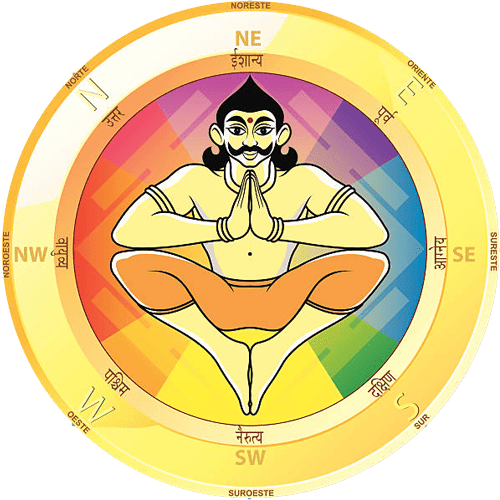
The best direction for mandir at home is the North-East (Ishan Kona). This zone is considered highly auspicious and spiritually powerful. It enhances meditation, devotion, and mental peace.
Recommended Directions:
- North-East (Ideal location)
- East (Second best option)
- North (Alternative option)
When placing the mandir:
- Idols should face East or West
- Devotees should face North or East while praying
Avoid These Directions:
- South-West
- South-East
- Under staircase
- Basement
- Adjacent to bathroom walls
Correct orientation ensures maximum spiritual and positive energy flow.
2. As Per Vastu Pooja Room Size
When planning the as per vastu pooja room size, proportions matter more than luxury.
Ideal Size Guidelines:
- Prefer square or rectangular shape
- Avoid circular, irregular, or triangular designs
- Minimum comfortable size: 4x4 ft (for compact homes)
- Ceiling should not be very low
- Pyramid or slightly elevated ceiling improves energy flow
Even a small mandir corner can be powerful if aligned correctly with Vastu.
3. Shape and Structural Guidelines
A prayer room as per vastu should promote stability and balance.
- Keep the room separate from bedrooms and kitchens if possible.
- Avoid sharing walls with toilets.
- The prayer area should not be directly below or above a bathroom.
Simplicity enhances sanctity.
4. Placement of Deities and Idols
Correct idol placement is crucial in prayer room vastu.
Vastu Guidelines:
- Place idols 6–12 inches away from the wall.
- Avoid placing idols directly on the floor.
- Use a wooden or marble pedestal.
- Do not keep broken or chipped idols.
- Avoid placing two idols of the same deity.
Recommended Materials:
- Marble
- Wood
- Brass or metal
Maintain a respectful height neither too high nor too low.
5. Door and Window Placement
Energy enters through openings.
Door:
- Prefer wooden door.
- Two shutters are considered auspicious.
- Sacred symbols like Om, Swastika, or lotus may be engraved.
Windows:
- North or East facing windows allow natural sunlight.
- Natural light enhances positivity.
Avoid dark and closed prayer spaces.
6. Flooring and Colors
The right materials enhance spiritual calmness.
Flooring:
- Marble or natural stone is ideal.
- Avoid dark or slippery flooring.
Wall Colors:
- White
- Cream
- Light yellow
- Pastel shades
Avoid bold, dark, or very vibrant colors as they distract from meditation.
7. Lighting and Ventilation
A well-lit prayer room radiates positive vibrations.
- Use soft warm lights.
- Diyas and traditional lamps enhance spiritual ambience.
- Avoid blinking or harsh LED lights.
- Ensure proper ventilation.
Fresh air maintains purity of the space.
8. Storage and Furniture
Clutter blocks positive energy.
- Install small cabinets for holy books and pooja items.
- Keep incense, diya, and sacred texts organized.
- Use minimal furniture.
- A simple mat is sufficient for seating.
The space should feel calm and uncluttered.
9. Do’s and Don’ts of Prayer Room Vastu
Do’s:
- Keep the mandir clean daily.
- Light diya or incense regularly.
- Use sacred symbols.
- Play soft devotional music if desired.
Don’ts:
- Do not place mandir inside bedroom.
- Do not store unwanted items.
- Do not use space for other activities.
- Avoid placing directly opposite bathroom.
Following these simple rules ensures your prayer room as per vastu remains spiritually powerful.
10. Enhancing Energy with Additional Elements
Certain additions amplify divine vibrations:
- Tulsi plant near entrance (if possible)
- Small water bowl with floating flowers
- Hanging bell or chime
- Proper placement of sacred texts
These elements purify and energize the space naturally.
11. Prayer Room Vastu for Apartments
Modern homes may not allow a dedicated room. Here’s how to adapt:
- Use wall-mounted wooden mandir.
- Choose North-East corner of living room.
- Use curtain or partition for separation.
- Keep platform clean and elevated.
Even a small setup can follow the best direction for mandir in home principles.
Conclusion
Designing a prayer room vastu compliant space ensures peace, positivity, and spiritual growth. Whether planning a full room or compact mandir, focus on:
- Best direction for mandir at home (North-East)
- Correct pooja room size as per vastu
- Proper idol placement
- Calm colors and natural light
- Clean, uncluttered environment
When built thoughtfully, your mandir becomes a powerful sanctuary that nurtures faith, harmony, and divine blessings within your home.




 Astro Advice
 NG Software
 NJ Patrika

 Vedic Astrology
 KP Astrology
 Advance KP
 Vastu Shastra
 Astro-Vastu
 Energy Healing
 Astro Advice
 Vastu Guidance
 NG Software
 NJ Patrika
 Gemstone Selection
 Rudraksh Selection