

 0.00
0.00
 0
0


53088 Views | October 30, 2024
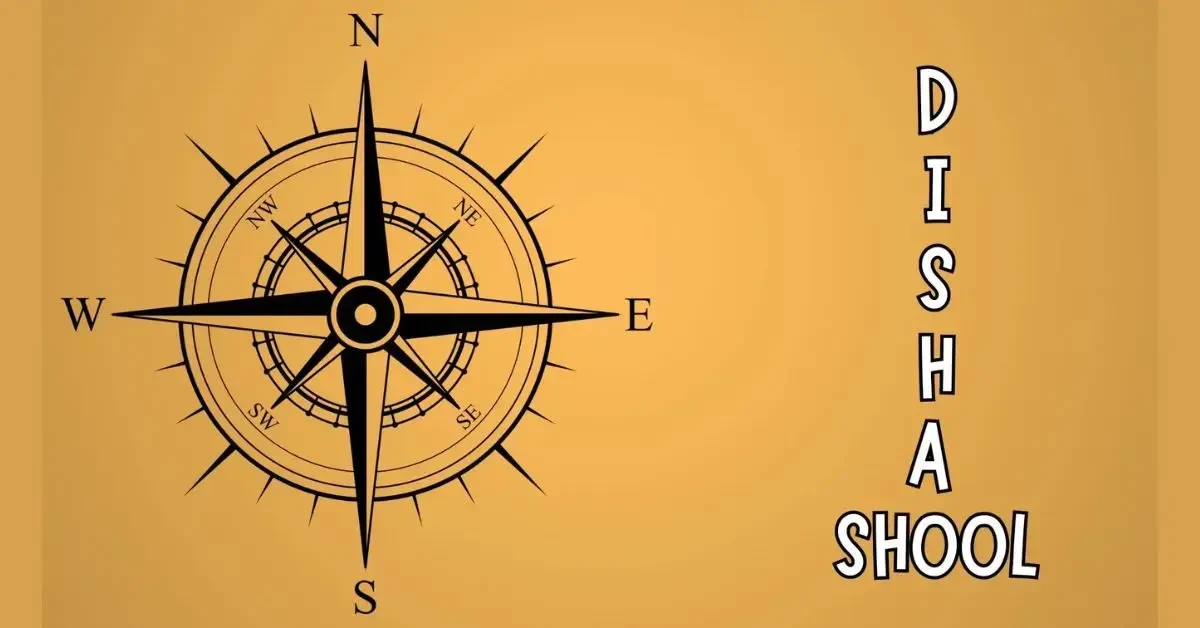
Have you ever noticed that on certain days, even well-planned journeys face delays or unexpected obstacles? In Vedic astrology, this phenomenon is explained through Disha Shool an ancient directional principle that guides travel, business, and major life decisions.
Understanding the Disha Shool chart and its daily directional influence can help you plan important activities more wisely and align with positive cosmic energy.

Disha Shool is a Sanskrit term where:
Together, Disha Shool refers to an inauspicious direction on a specific day that should ideally be avoided while beginning travel or important work.
According to Vedic belief, traveling or initiating major activities toward the wrong direction on certain Disha Shool days may lead to delays, stress, or reduced success.
In simple terms:
Disha Shool is the unfavorable direction of the day based on planetary rulership.
Below is the traditional Disha Shool chart showing the inauspicious direction for each weekday along with suggested remedies.
|
Day |
Disha Shool (Inauspicious Direction) |
Remedy |
|
Monday |
East |
Offer water to Moon (Chandra) |
|
Tuesday |
North |
Chant Hanuman Chalisa |
|
Wednesday |
West |
Offer green items to Lord Ganesha |
|
Thursday |
South |
Donate yellow items / Vishnu mantra |
|
Friday |
East |
Worship Goddess Lakshmi |
|
Saturday |
North |
Light sesame oil lamp for Shani |
|
Sunday |
West |
Offer water to Sun (Surya) |
This दिशा शूल चार्ट is widely referred to before travel planning and major decisions.
Disha Shool is calculated based on:
Each planet governs a specific direction:
When planetary energy conflicts with directional energy on a specific day, that direction becomes the Disha Shool direction.
This planetary-directional model is also connected to the broader concept of Disha Chakra, which maps directional energies in Vedic astrology.
Even today, many people refer to the Disha Shool chart for practical guidance.
If Tuesday’s Disha Shool is North, one may:
This belief is followed to reduce obstacles and ensure smoother journeys.
Entrepreneurs and professionals sometimes check Disha Shool days before:
Beginning activities in a favorable direction is believed to reduce delays and financial hurdles.
In religious ceremonies and offerings, direction plays a crucial role. Disha Shool helps ensure that rituals align with positive directional energy.
Directional alignment is fundamental in Vastu. Many practitioners combine Disha Shool principles with Vastu Shastra to enhance energy flow within homes and workplaces.
If travel or work in an inauspicious direction is unavoidable, traditional remedies are recommended.
Chanting planetary mantras helps neutralize negative effects:
Offer items linked to the ruling planet:
Offering water, flowers, or food is also considered beneficial.
Lighting incense or a lamp facing the inauspicious direction is believed to reduce adverse influence.
Carrying Rudraksha, gemstones, or yantras can offer spiritual protection during Disha Shool days.
Feeding birds, cows, or animals is believed to balance planetary energies and reduce directional obstacles.

From a scientific standpoint, Disha Shool is often considered a traditional belief rather than a measurable phenomenon.
However:
Whether symbolic or energetic, many people continue to consult the Disha Shool chart for guidance and clarity.
Even in today’s digital world, Disha Shool remains relevant.
Many mobile apps and astrology websites provide daily Disha Shool updates and Disha Chakra calculations.
People adapt remedies to suit modern lifestyles:
Even simple awareness of direction before starting important tasks creates mindfulness and purpose in daily life.
Disha Shool is an ancient Vedic directional principle that continues to guide travel, business, and spiritual decisions.
By understanding the Disha Shool chart, recognizing unfavorable Disha Shool days, and applying simple remedies, individuals seek to align with cosmic energy and reduce life’s obstacles.
Whether followed as faith, tradition, or mindful practice, Disha Shool remains a meaningful part of astrological guidance in modern times.
 Vedic Astrology
 KP Astrology
 Advance KP
 Vastu Shastra
 Astro-Vastu
 Energy Healing
 Astro Advice
 Vastu Guidance
 NG Software
 NJ Patrika
 Gemstone Selection
 Rudraksh Selection

 Vedic Astrology
 KP Astrology
 Advance KP
 Vastu Shastra
 Astro-Vastu
 Energy Healing
 Astro Advice
 Vastu Guidance
 NG Software
 NJ Patrika
 Gemstone Selection
 Rudraksh Selection
