 0.00
0.00
 0
0

6119 Views | November 08, 2024
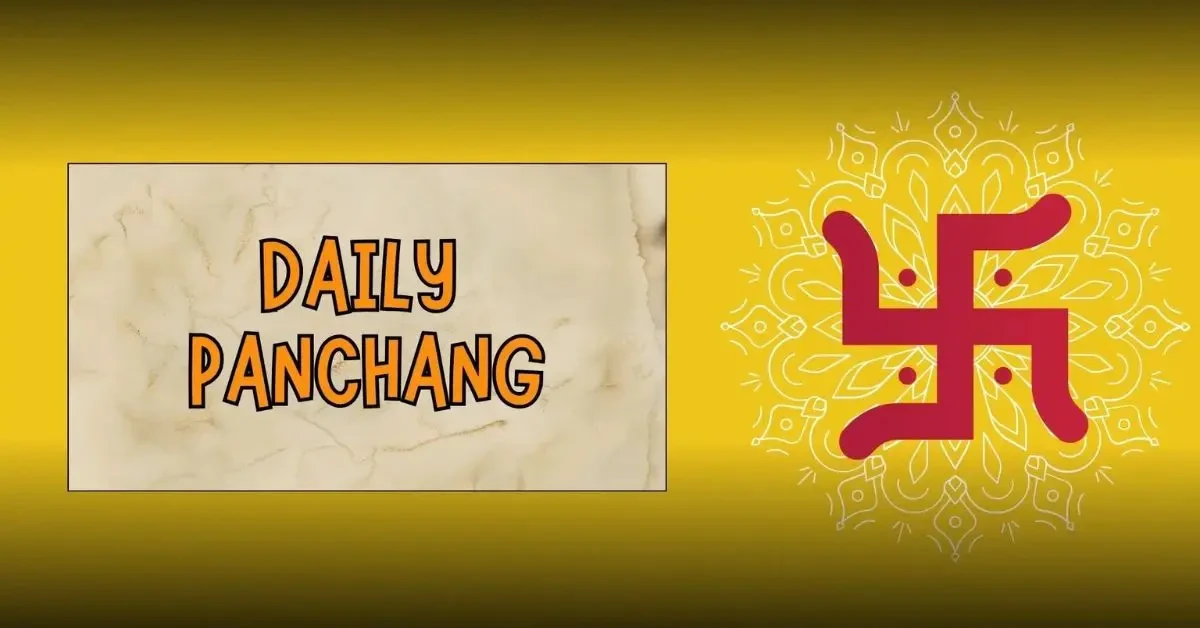
The Daily Panchang is an essential part of Indian tradition and Vedic timekeeping. It helps individuals choose the most suitable time for important activities such as prayers, business launches, travel, weddings, investments, and spiritual practices. Rooted in Vedic Panchang astrology, it aligns human actions with cosmic rhythms to maximize positive outcomes.
If you are wondering how to make the most of your day, the daily panchang provides a clear guide based on planetary movements, lunar phases, and astronomical calculations.
The word Panchang comes from Sanskrit:
Thus, Panchang means “Five Parts.” It represents five key astronomical elements that define the nature and quality of a day.
A Vedic Panchang is a combination of astronomy and astrology. It calculates the position of the Sun and Moon and interprets their influence on daily life. In Panchang Jyotish, these calculations are used to determine auspicious and inauspicious timings.
There are different formats such as:
Tithi is calculated based on the angular distance between the Sun and Moon. There are 30 Tithis in a lunar month, divided into:
Each Tithi carries specific energy. For example:
In Panchang astrology, Tithi plays a major role in selecting Muhurta (auspicious timing).
Vara represents weekdays and their planetary associations:
Each day influences activities differently according to Vedic Panchang principles.
The Moon travels through 27 Nakshatras. The current Nakshatra defines the emotional and energetic tone of the day.
Examples:
Nakshatra analysis is central in Panchang Jyotish and horoscope preparation.
Yoga is calculated by adding the longitudes of the Sun and Moon. There are 27 Yogas.
Yoga determines the overall quality of the day in daily panchang astrology.
Karana is half of a Tithi and is important in Muhurta selection. There are 11 Karanas, categorized as:
Movable Karanas are generally preferred for dynamic activities.
All Panchang calculations are based on local sunrise timing. Hence, location matters.
An inauspicious time period where important activities should be avoided.
Another unfavorable time associated with Saturn.
Time divisions categorized as:
A powerful midday period considered auspicious even when other timings are not favorable.

The daily panchang helps determine the right time for:
Major festivals like Diwali, Navratri, and Holi are aligned using the monthly panchang.
People use Panchang to decide:
In Panchang astrology, planetary positions are used for:
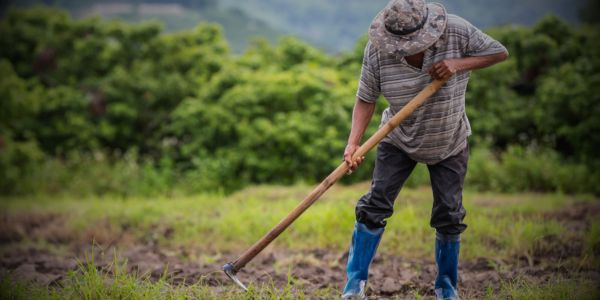
Traditionally, farmers follow the lunar cycle mentioned in the Panchang for sowing and harvesting.
Certain Tithis and Nakshatras are considered supportive for medical procedures or starting new health routines.
Here’s a simple method:
Using a Vedic Panchang daily builds awareness of cosmic cycles and improves decision-making.
The Panchang dates back to Vedic times and was originally calculated through astronomical observation.
Classical texts such as Surya Siddhanta and Brihat Samhita formalized its principles.
Different regions in India follow slightly varied calculations depending on sunrise and tradition.
Today, digital platforms provide instant access to:
This makes Panchang Jyotish accessible to everyone.
The Panchang is often used alongside Vastu Shastra to:
This synergy ensures alignment of planetary energy with physical space.
The Daily Panchang is more than a calendar it is a timeless guide connecting human life with cosmic rhythms. Whether you are planning a major life event, performing a spiritual ritual, or simply organizing your day, the Panchang provides clarity and direction.
By understanding the five elements Tithi, Vara, Nakshatra, Yoga, and Karana you can align your actions with favorable planetary energies and reduce obstacles.
Start your day by checking the daily panchang, explore the monthly panchang for long-term planning, and experience the wisdom of Vedic Panchang astrology in everyday life.
 Bhartiya Jyotish
 KP Astrology
 Advance KP
 Vastu Shastra
 Astro-Vastu
 Energy Healing
 Sample Course
 Astro Advice
 Vastu Guidance
 NG Software
 NJ Patrika
 Gemstone Selection
 Rudraksh Selection
 Bhartiya Jyotish
 KP Astrology
 Advance KP
 Vastu Shastra
 Astro-Vastu
 Energy Healing
 Sample Course
 Astro Advice
 Vastu Guidance
 NG Software
 NJ Patrika
 Gemstone Selection
 Rudraksh Selection
